

The adjuster has just asked for proof of your client's post-injury earning capacity. The treating physician has written only “light duty,” without identifying how much the client can lift, how long they can sit, or whether they can perform the essential tasks of the pre-injury job. Discovery is closing, the wage-loss claim is substantial, and the defense is already suggesting that the restrictions are based on complaints rather than measurable limitations.
That's where a work capacity evaluation can change the case. Properly built, it connects medical findings to actual job demands. Poorly built, it gives defense counsel a ready-made cross-examination exhibit.
Why Work Capacity Evaluation Matters in a Personal Injury Case
A work capacity evaluation is a structured assessment of what an injured person can safely and consistently do in relation to specific work requirements. It may examine lifting, carrying, standing, walking, sitting, pushing, pulling, bending, reaching, hand use, endurance, and the claimant's consistency during testing. It's different from an impairment rating. An impairment rating describes a medical loss under an applicable guideline, while a capacity evaluation addresses functional performance.
The distinction matters because damages turn on function. A physician may conclude that a lumbar injury is permanent, but that conclusion alone doesn't answer whether the client can return to warehouse work, perform modified duties, retrain for another occupation, or sustain a full workday. The evaluation supplies the missing bridge between diagnosis and economic loss.
The concept itself isn't new or merely administrative. The National Library of Medicine's MeSH record for work capacity evaluation traces formal terminology back to January 1, 1986, with earlier indexing under disability evaluation from 1966 through 1974. The definition focuses on physiological capacity in relation to job requirements, including response to gradually increasing workload. That history supports treating the evaluation as a recognized occupational and rehabilitation tool, not as a litigation invention.
Build the damages bridge deliberately
Before ordering the evaluation, identify the precise proposition you need to prove:
- Pre-injury access: Can the claimant perform the essential duties of the former job?
- Residual capacity: What work can the claimant perform consistently?
- Accommodation: Would restrictions require modified duties, reduced productivity, or a different position?
- Vocational consequence: Do the restrictions affect transferable skills and access to comparable employment?
A report that merely says “limited” won't carry that burden. A report that ties observed performance to documented job demands gives the economist, vocational expert, mediator, and jury something concrete to evaluate.
Practical rule: Never commission a capacity evaluation before obtaining the actual job description, physical-demand information, and a clean medical chronology.
The report should also be read alongside the medical record, not substituted for it. A disciplined medical record review for attorneys helps identify whether the evaluator's assumptions match treatment notes, imaging, medication changes, surgical history, and provider restrictions. If the report's conclusion conflicts with the records, defense counsel will expose that conflict quickly.
A useful overview of the clinical framework is this modern work capacity guide, but in a PI case the attorney's task is narrower and more demanding. The question isn't just what the client can do in a testing room. It's whether the testing supports a defensible opinion about sustained work and resulting loss.
Types of Work Capacity Evaluations and What Each One Measures
Attorneys often use “FCE,” “WCE,” and “capacity evaluation” as though they describe the same document. They don't. The label affects the referral question, the testing protocol, the evaluator's qualifications, and the weight the report can carry.
A Functional Capacity Evaluation, or FCE, is generally the broadest functional assessment. An occupational therapist, physical therapist, or similarly trained evaluator may use standardized or job-simulated tasks to measure physical tolerances, material handling, positional endurance, hand function, and effort consistency. A useful clinical explanation of an occupational work ability assessment can help a junior lawyer understand the testing vocabulary, but the litigation analysis must focus on methodology and job relevance.
A Work Capacity Evaluation, or WCE, is often narrower. It may screen the claimant against a defined job, a set of essential duties, or a particular return-to-work question. Its value depends heavily on whether the evaluator received accurate job information and whether the protocol tested the demands that actually matter.
An IME-style capacity review usually comes from a defense-selected physician or other medical examiner. It may involve records review, a brief physical examination, and opinions about restrictions. It can be useful, but it often lacks the repeated task exposure and detailed raw data found in a full FCE.
Comparison of Work Capacity Evaluation Types
| Attribute | FCE | WCE | IME-Style Capacity Review |
|---|---|---|---|
| Typical commissioning party | Plaintiff counsel, carrier, employer, or treating team | Employer, carrier, or either litigation side | Commonly the carrier or defense counsel |
| Primary purpose | Measure broad functional performance and consistency | Compare capacity with specified work demands | Offer a medical opinion on restrictions, diagnosis, or causation |
| Common evaluator | OT, PT, or trained rehabilitation professional | OT, PT, kinesiophysical evaluator, or vocational professional | MD or other qualified medical examiner |
| Testing profile | Material handling, posture, endurance, mobility, hand use, effort observations | Job-specific tasks and selected functional tolerances | Examination, records review, and clinical observations |
| Output | Lifting and carrying tolerances, positional limits, strength category, observed consistency | Work-specific restrictions and return-to-work suitability | Medical restrictions, opinions on credibility, and diagnostic interpretation |
| Main litigation weakness | Protocol validity, job mismatch, or weak predictive evidence | Narrow scope or incomplete job data | Brief examination, limited functional testing, or overreliance on subjective impressions |
The terminology matters during deposition. If the defense calls a short IME review an “FCE,” ask whether the evaluator performed a validated functional protocol, measured repeated performance, reviewed the job demands, and preserved the raw data. A report's title doesn't establish its evidentiary quality.
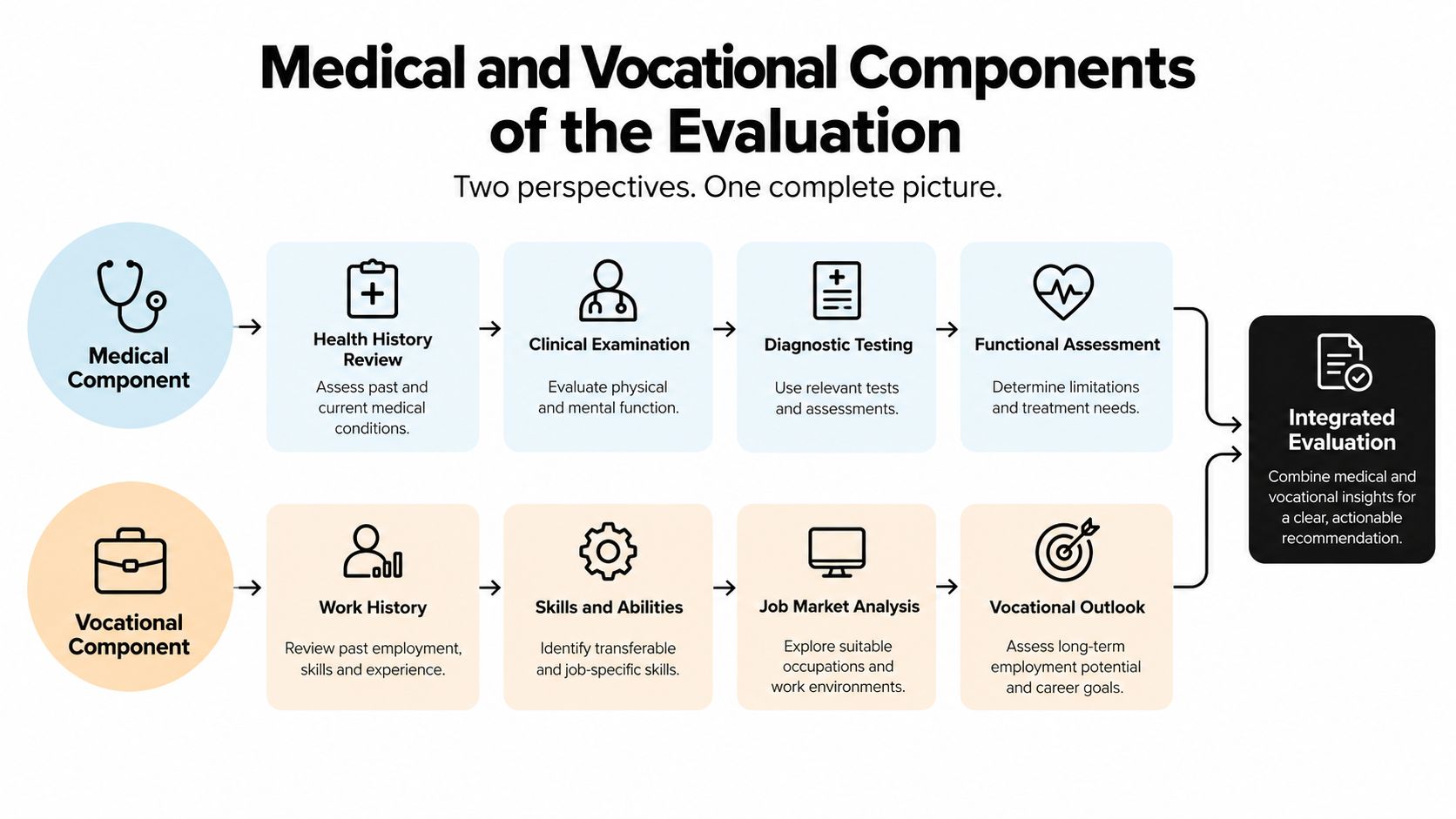
Medical and Vocational Components of the Evaluation
A defensible evaluation usually has two connected parts. The medical component establishes what conditions and symptoms are present and what restrictions are medically plausible. The vocational component translates those restrictions into work consequences.
The evaluator begins with records, diagnostic imaging, operative reports, medication history, treatment notes, and the claimant's work history. A musculoskeletal examination may assess range of motion, strength, neurological findings, balance, gait, and pain responses. The evaluator should distinguish a diagnosis-driven restriction from a generalized statement that the claimant is “unable to work.”
The testing then provides observed functional information. Depending on the referral question, it may include:
- Material handling: Lifting from floor to waist, waist to shoulder, carrying, pushing, and pulling.
- Positional tolerance: Sitting, standing, walking, kneeling, crouching, crawling, bending, and reaching.
- Repetitive force: Grip, pinch, hand use, keyboarding, or task-specific force demands.
- Endurance: Sustained or repeated activity, with attention to symptom escalation and recovery.
- Consistency markers: Grip variability, heart-rate response, changes in movement, observed behavior, and reported symptoms.
No single measure should be treated as a magic credibility score. The medico-legal literature emphasizes standardized, validated protocols, calibrated equipment, evaluator training, and criterion-referenced reporting. It also cautions that FCE evidence has limited psychometric support for predicting return-to-work outcomes, which is why job-specific testing and structured frameworks such as the ICF matter. The scoping review of FCE evidence is particularly useful when preparing for a methodology challenge.
Translate restrictions into the actual labor market
“Occasional lifting of 25 pounds” is not a damages conclusion. It's a functional finding. The vocational analysis must ask whether that limit permits the essential duties of the pre-injury occupation, whether the claimant can perform a modified version, and whether alternative work uses the claimant's experience and transferable skills.
That translation may draw on the Dictionary of Occupational Titles, O*NET information, employer testimony, job-site evidence, and vocational expertise. It should also address the difference between a single successful lift and repeated work across a shift. A claimant may complete a task in testing but still lack the endurance, speed, or consistency required for competitive employment.
A medical-legal nurse or similar record specialist can help organize the evidence feeding this analysis. The legal nurse consultant resource is relevant when the file contains extensive treatment records and multiple providers whose restrictions must be reconciled before the evaluator writes a final opinion.
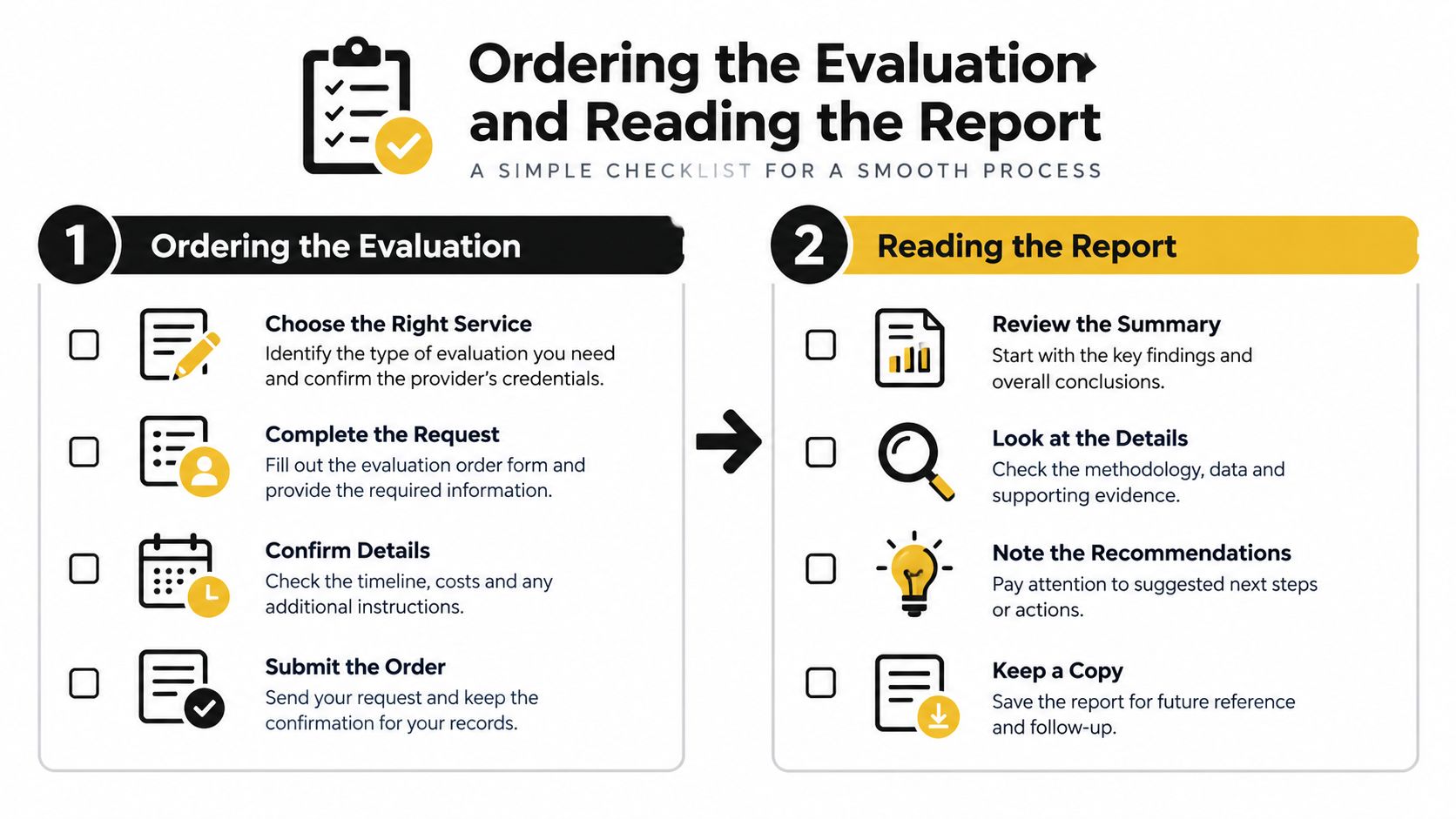
Ordering the Evaluation and Reading the Report
The quality of the report is often determined before the first test begins. Start with the evaluator, not the appointment calendar. Confirm the person's education, clinical license, work-capacity training, experience with the relevant injury, and history of providing testimony. A respected credential won't cure a protocol that doesn't answer the case question, but an unexplained qualification gap can weaken the report before cross-examination starts.
Use a focused referral checklist
- Define the question. Ask whether the client can perform the essential duties of the identified job, what restrictions apply, and whether those restrictions are expected to be temporary or lasting.
- Supply the job evidence. Provide the written job description, employer testimony, physical-demand analysis, schedules, productivity expectations, and information about actual rather than assumed duties.
- Send a controlled record set. Include relevant medical records, imaging, operative reports, treatment chronology, prior injuries, and current medications. Identify missing records instead of allowing the evaluator to assume they don't exist.
- Clarify the legal posture. Explain whether the evaluation concerns current capacity, maximum medical improvement, future work, or rebuttal of a defense opinion.
- Preserve the testing file. Request the raw data sheets, protocol description, equipment information, observations, and any video or effort analysis used to reach the conclusion.
Read the report like opposing counsel
Exertional categories such as sedentary, light, or medium work are only the beginning. Look for non-exertional limits involving posture, reaching, hand use, balance, environmental exposure, pain-related breaks, pace, and attendance. Then compare every conclusion with the raw test data.
Language about effort deserves careful attention. “Full effort,” “consistent performance,” “self-limited,” and “inconsistent effort” can affect how an adjuster, mediator, or jury interprets the entire report. Ask what observation supports the label. A conclusion based on a documented pattern across tasks is different from a conclusory sentence with no explanation.
Also separate capacity from employability. The evaluator may properly state what the claimant performed during testing, while a vocational expert determines whether that performance matches the occupation and labor market. If the report crosses into unsupported wage-loss opinions, defense counsel may attack the evaluator's scope.
Strategic and Evidentiary Uses in Personal Injury Litigation
A favorable work capacity evaluation gives the damages case a functional anchor. It can support a demand that identifies the tasks the client can no longer perform, the accommodations required, and the vocational consequences that follow. It can also expose the weakness in a defense opinion that relies on a brief examination without testing the disputed work activities.
The report has value at several points in the case, but its role changes as the case advances.
Strategic Uses and Evidentiary Limits of Work Capacity Reports
| Litigation Stage | Plaintiff Use | Defense Challenge |
|---|---|---|
| Discovery | Identify the functional theory and obtain employer evidence | Argue that the testing was premature or based on incomplete records |
| Demand and mediation | Tie restrictions to job duties and vocational loss | Attack job mismatch, effort observations, or unsupported economic assumptions |
| Expert discovery | Provide data for vocational and economic opinions | Challenge credentials, protocol validity, calibration, and reliability |
| Deposition | Use raw findings to explain specific limitations | Highlight inconsistent tasks, prior statements, or surveillance |
| Trial | Give the jury a concrete functional narrative | Argue that test performance doesn't predict sustained employment |
Use the report without overstating it
The strongest report admits its boundaries. The evaluator should identify the protocol, explain why it fits the referral question, state what was directly observed, and distinguish findings from assumptions. A recent review of medico-legal FCEs notes limited inter-rater reliability and potentially weak predictive validity for return-to-work outcomes. That evidence doesn't make every evaluation useless. It means the attorney must present the report as one component of a reasoned damages opinion, not as an infallible employment oracle.
Daubert or Rule 702 issues usually focus on fit, reliability, qualifications, and foundation. Can the evaluator explain the testing method? Were the instruments calibrated? Was the protocol standardized? Did the evaluator know the actual job demands? Are the conclusions supported by the recorded observations? A report that answers those questions is harder to reduce to subjective opinion.
Context can matter too. Pain-related fear, anxiety, workplace barriers, and job fit may affect how a person performs and whether a return-to-work plan is realistic. A resource addressing trauma counselling in Penticton is not a substitute for capacity testing, but it illustrates why psychological and contextual factors shouldn't be erased from the functional narrative.
A report can also become a liability. If it documents a lifting tolerance that exceeds the client's pleaded limitation, or records inconsistent performance without a credible explanation, the defense will use the document affirmatively. Before disclosure, compare the report with social media, surveillance risks, prior employment testimony, treatment notes, and the client's deposition preparation. For examples of how medical findings are presented in litigation, review these medical report examples.
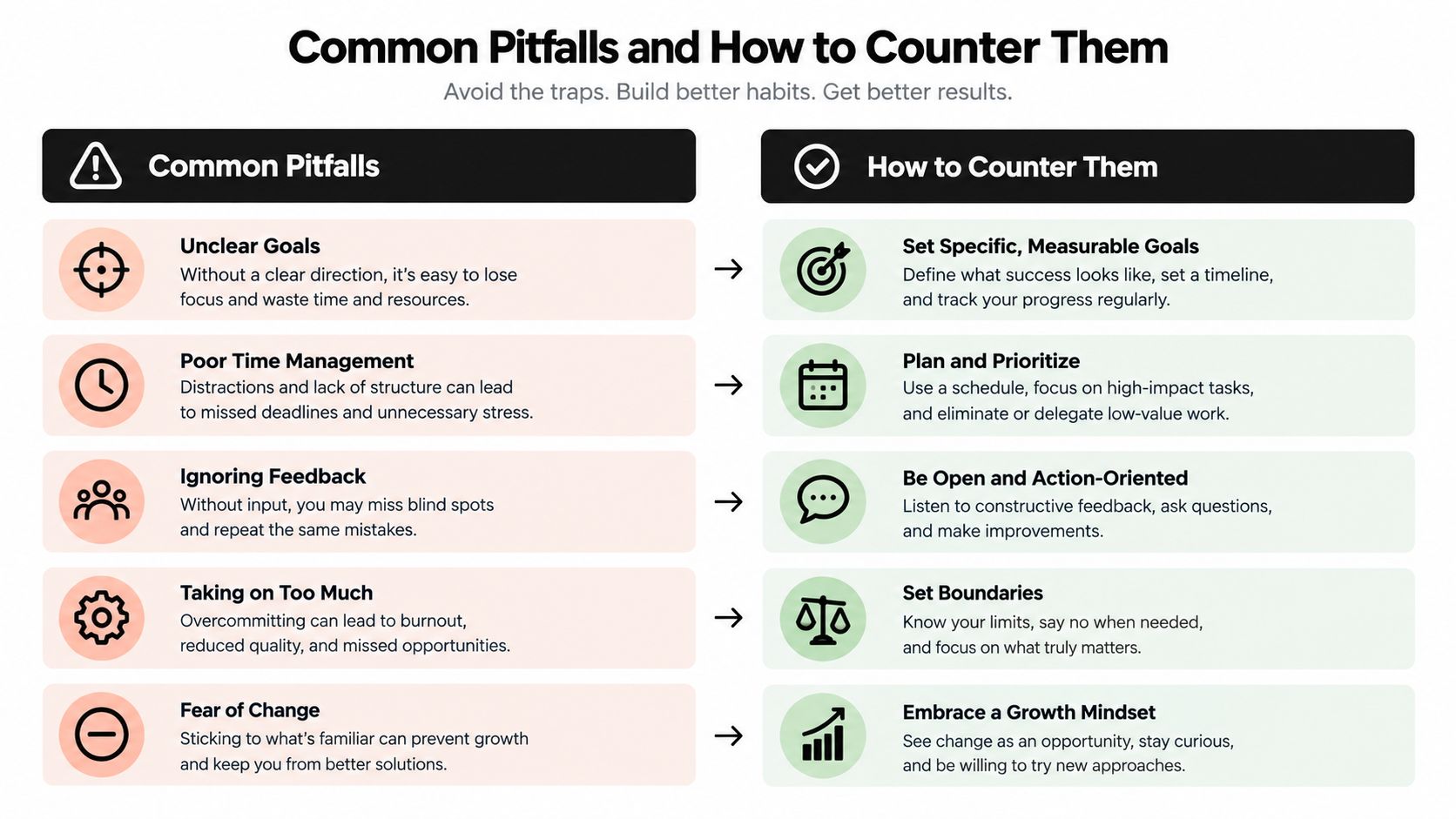
Common Pitfalls and How to Counter Them
The assumption that objective testing automatically wins the issue is dangerous. A defense lawyer doesn't need to prove that every finding is wrong. The defense only needs to show that the report doesn't reliably answer the legal question.
Four vulnerabilities that repeatedly surface
Overbroad restrictions. A report may recommend broad limits on lifting, bending, or sitting without tying them to a diagnosis, observed task, or job requirement. The counter-move is to tighten the referral letter and ask the evaluator to identify the evidence supporting each restriction.
Casual work-status notes. Treating records may contain “light duty” or “off work” language written for administrative purposes. Those notes can conflict with a detailed capacity report. Obtain clarification from the treating provider, distinguish temporary from permanent restrictions, and avoid presenting a casual status slip as a complete vocational opinion.
Subjective reporting without performance data. Pain reports matter, but a report that repeats them without functional observations gives the defense an easy credibility argument. Ask for task-based testing, documented symptom behavior, recovery observations, and a clear explanation of how subjective symptoms affected performance.
Surveillance or activity conflicts. A client may be observed carrying an object, attending an event, or performing a household task that appears inconsistent with the report. Prepare the client to explain differences in duration, repetition, posture, pain flare, and context. The purpose isn't to script an answer. It's to document the episodic nature of symptoms before the defense defines the event.
Test consistency before the defense does
Review the report against appointment notes, prescription changes, physical therapy progress, and the client's own account. If the client reports no lifting at home but describes regular home renovation, resolve the discrepancy. If a provider records improved function while the evaluator records severe restriction, find out whether the improvement was temporary, task-specific, or misunderstood.
The same discipline applies to effort findings. The report should explain why the evaluator considered performance consistent or self-limited, what tasks produced that impression, and whether pain or safety concerns affected the result. A conclusory credibility label without supporting observations is vulnerable, but an unexplained contradiction in the client's performance is vulnerable too.
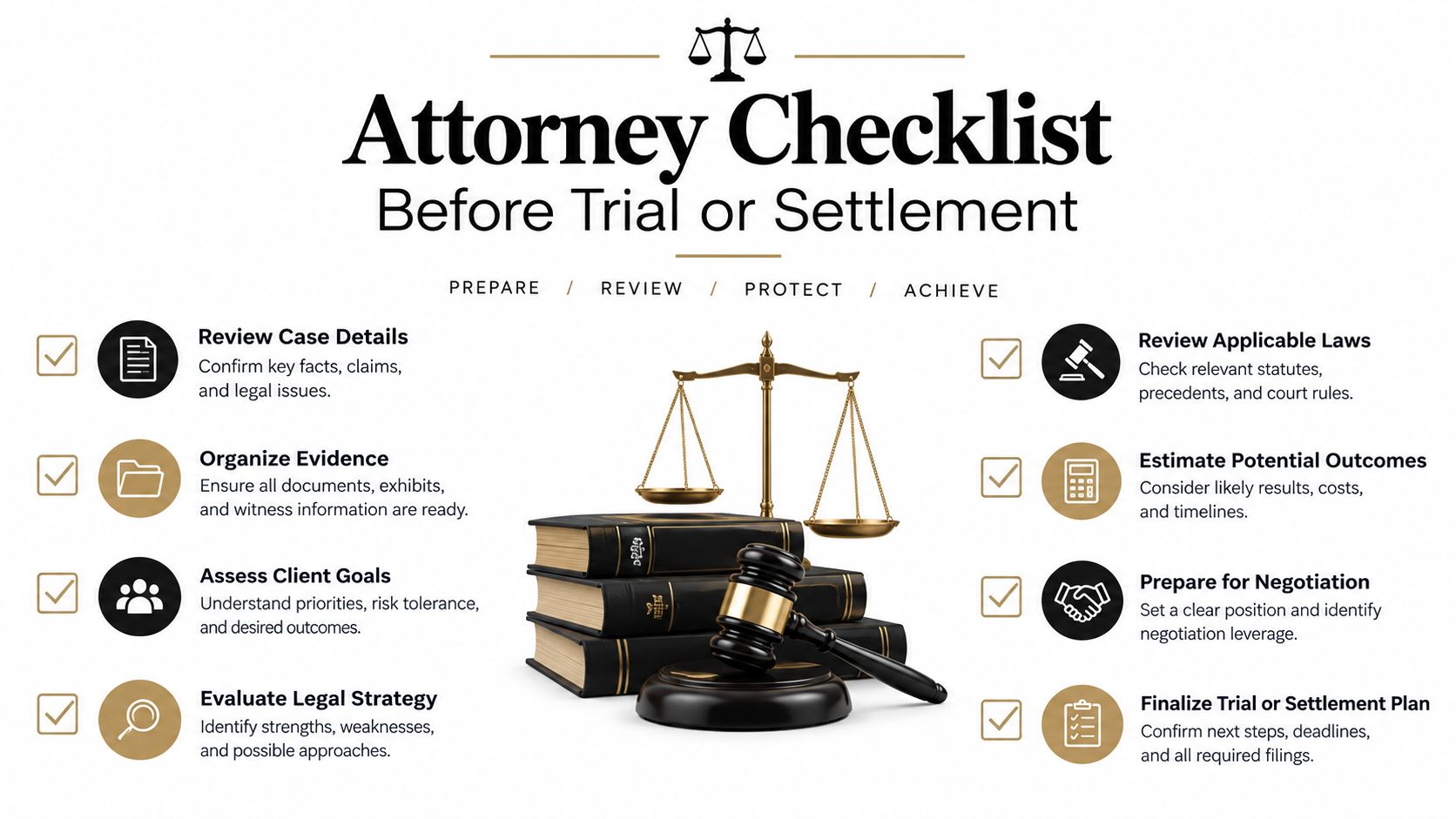
Attorney Checklist Before Trial or Settlement
The final review should be mechanical. Don't wait until the evaluator's deposition to discover that the report never addressed the essential job duties or that the raw data doesn't support the conclusion.
Run this review before the report becomes evidence
- Credentials and scope: Confirm that the evaluator's training, licensure, and experience match the opinions offered.
- Methodology: Identify the protocol, equipment, calibration, test sequence, safety rules, effort analysis, and limitations of the method.
- Referral question: Verify that the letter asked about the correct job, actual duties, current capacity, future capacity, and the relevant medical status.
- Record foundation: Confirm that the evaluator reviewed complete treatment records, imaging, operative material, prior injuries, medications, and relevant provider opinions.
- Job foundation: Match the report to employer testimony, written descriptions, physical-demand evidence, schedule, pace, and required repetition.
- Restriction reconciliation: Compare every lifting, carrying, positional, reaching, and endurance finding with treating records and deposition testimony.
- Raw data review: Look for discrepancies between data sheets, narrative observations, tables, and final conclusions.
- Cross-examination plan: Prepare a question for each weakness involving protocol choice, job fit, reliability, effort interpretation, or scope of opinion.
- Damages connection: Confirm that the vocational and economic opinions use the actual functional findings rather than generic disability language.
Before mediation or trial, update the demand letter or brief with specific findings. State that the claimant can lift only within a defined range, requires particular positional limits, cannot sustain a stated task pattern, or needs modified duties, but only where the report supports those conclusions. Concrete functional language gives the decision-maker something to value. “Permanently disabled” without the functional path to that conclusion invites attack.
The Work Ability Index can provide broader context, but it shouldn't replace a job-specific evaluation. A synthesis of 29 studies covering 31,472 participants reported an overall mean score of 38.94 with a standard deviation of 7.13, while an Australian personal-injury sample reported a mean of 17.8, with 86.5% classified as having poor work ability. The same source reported a correlation of 0.63 between the simpler Work Ability Score and the full index. Those findings support screening and population-level comparison, not a shortcut around individualized testing. See the Work Ability Index synthesis for the underlying discussion.
Ares helps personal injury firms turn medical records into organized, case-ready timelines, identify gaps and contradictions, and draft demand materials that connect treatment evidence to damages. Use Ares to prepare the medical foundation for a work capacity evaluation, strengthen your negotiation brief, and spend more time testing the report's conclusions instead of assembling the file.