A bystander is struck by falling equipment, a waitress is injured by an exploding bottle, and a veteran develops hearing problems after using protective equipment. In each file, counsel must connect the defendant's conduct or product to a medically supported injury, not merely describe a bad outcome.
The strongest personal injury case examples teach a proof decision: preserve the failed component, reconstruct the sequence, distinguish an inference from an assumption, or connect future care to an established impairment. Landmark opinions explain legal boundaries, but their practical value lies in identifying what counsel must obtain before drafting a demand.
Use these cases as evidence-building playbooks, not settlement comparables. A favorable liability theory won't establish the extent of an injury, and a compelling medical history won't cure a missing defendant-specific causal link.
- For demand letters, state the proposition each exhibit proves rather than attaching an undifferentiated records dump.
- For medical chronologies, separate reported symptoms, examination findings, diagnostic results, and treating-provider opinions.
- For trial preparation, identify the witness who can authenticate each important record and explain its significance.
Firms that map injury searches to pages should preserve those distinctions in public-facing examples too. A recognizable accident attracts attention; an accurate explanation of evidence, causation, and damages makes the example useful.
1. Palsgraf v. Long Island Railroad Co. and Unforeseeable Injury
The platform layout makes the causation problem easier to visualize.
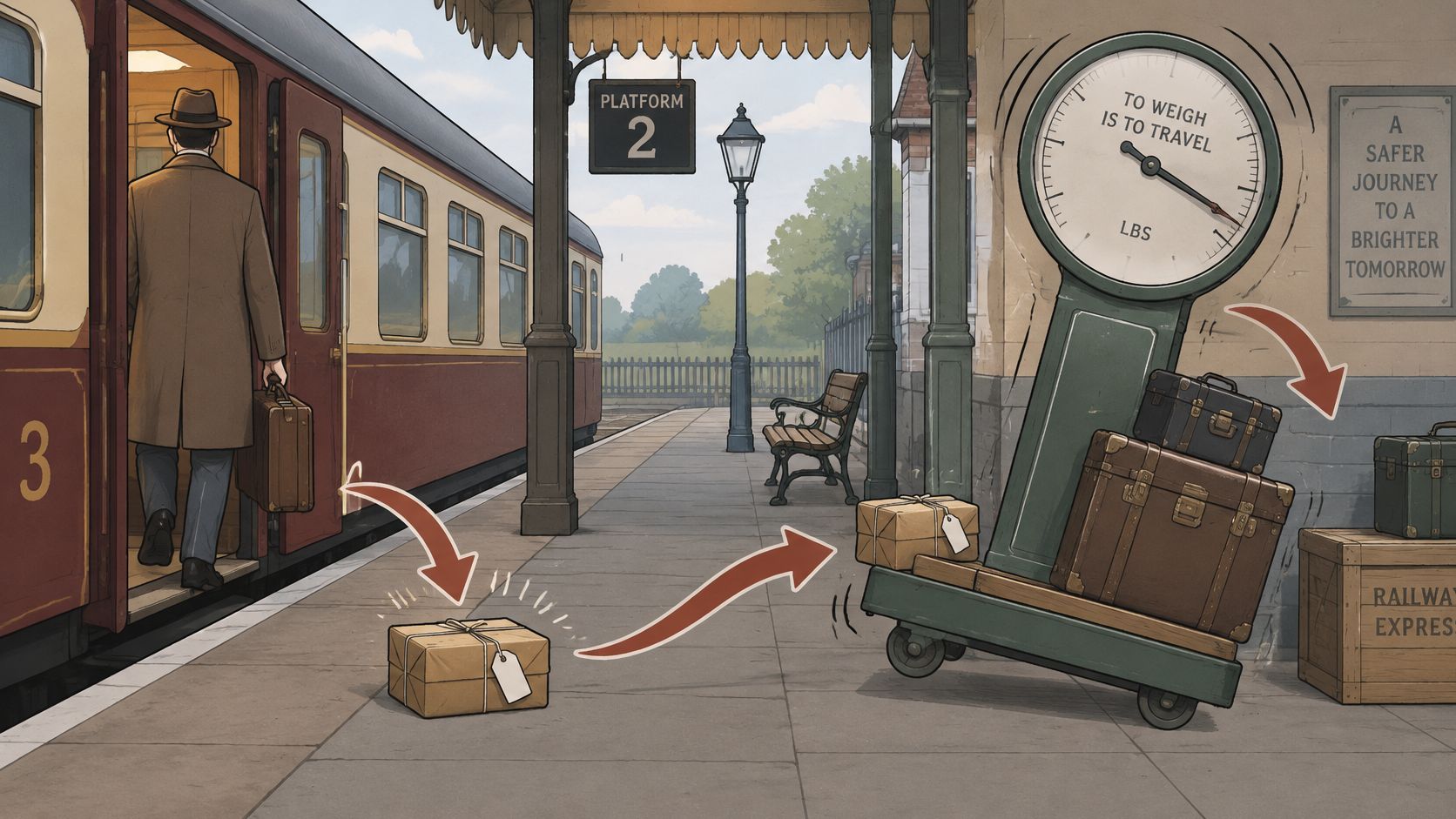
Railroad employees helped a passenger board a train. The passenger's package fell, fireworks exploded, and a scale fell onto Helen Palsgraf elsewhere on the platform.
Cardozo's majority opinion treated duty and foreseeable risk as the controlling problem. Showing that employee conduct preceded the injury wasn't enough to establish a duty to this plaintiff concerning that risk.
Prove the risk, not merely the sequence
The decisive evidentiary distinction was between what happened afterward and what the employees could reasonably have perceived beforehand. Medical records could establish that the falling scale injured Palsgraf, but they couldn't establish that the package visibly presented an explosive danger.
For a modern premises claim, say an employee moves equipment and a distant customer is struck by another object. Preserve surveillance showing the equipment's condition, nearby people, visibility, and the sequence of movement. A diagram should identify distances and obstructions without assuming that every consequence was foreseeable.
Practical rule: A complete accident timeline still needs evidence explaining why the defendant's conduct exposed this plaintiff to the relevant danger.
A visual explanation can help separate the physical sequence from the legal question.
Start spotting negligence during client intake by asking what each participant saw before the event. Then use a disciplined approach to proving causation: distinguish the accident mechanism from medical causation, investigate alternative causes, and explain treatment gaps rather than leaving defense counsel to characterize them.
2. MacPherson v. Buick Motor Co. and Product Liability Beyond Privity
Preserve the wheel before arguing about the sales contract. MacPherson involved a Buick whose wooden wheel collapsed, injuring a purchaser who had bought the vehicle through a dealer rather than directly from the manufacturer.
The component failure is the useful starting point.
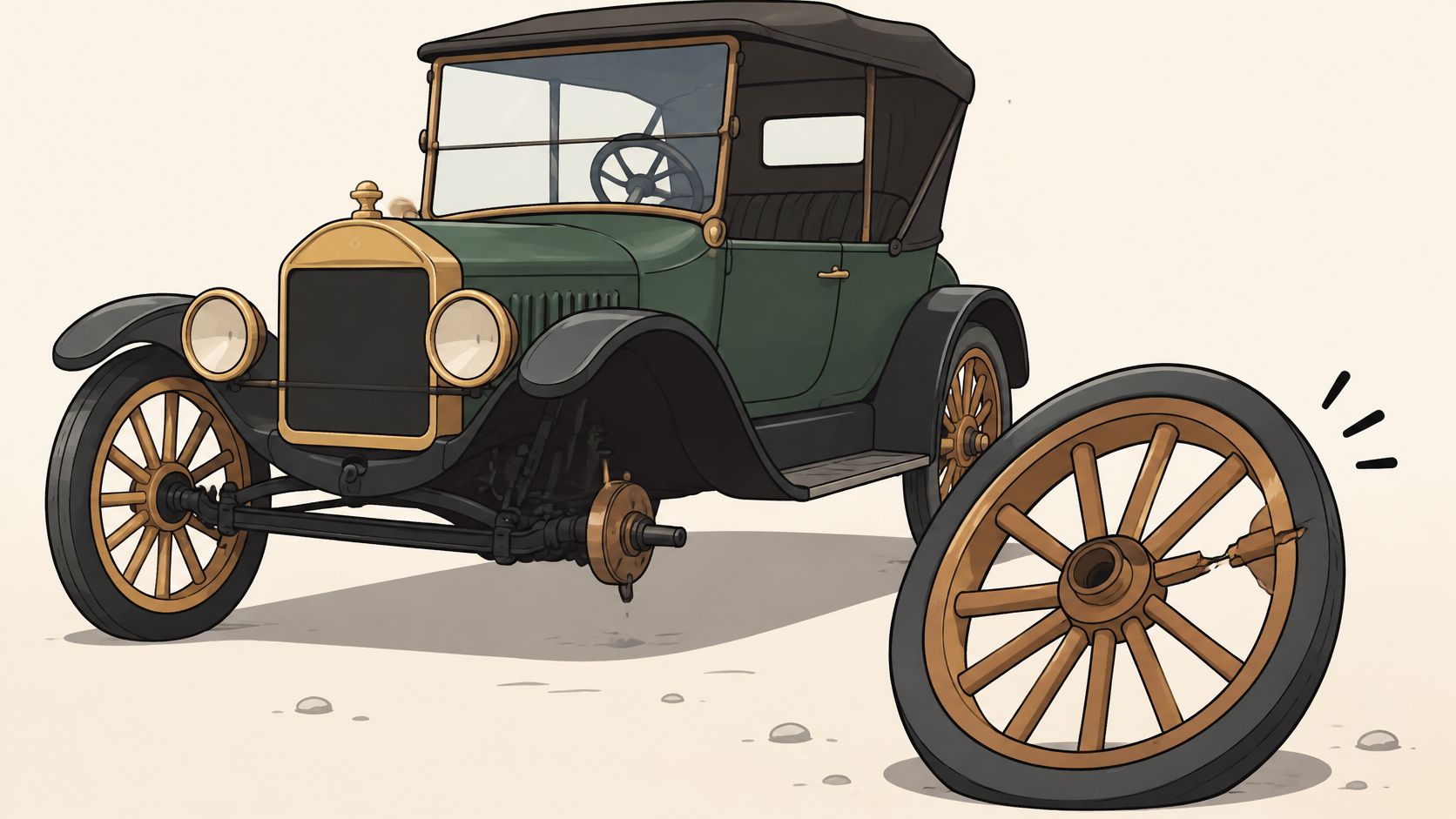
The court recognized a manufacturer's negligence duty beyond its immediate purchaser where the product's condition created foreseeable danger to users. The practical lesson isn't that every component failure establishes liability. It's that counsel must investigate the manufacturer's responsibility for a dangerous component even when a dealer handled the sale.
Build the inspection record
The central proof issue was the defective wheel and the manufacturer's responsibility to exercise reasonable care concerning it. A modern automotive claim should distinguish a manufacturing problem from wear, maintenance failure, impact damage, or an aftermarket modification.
- Secure the component. Preserve the assembly and surrounding parts, document custody, and coordinate inspection before destructive testing.
- Reconstruct its history. Obtain purchase documents, service records, repair photographs, and accounts of earlier symptoms.
- Identify the failure mechanism. Ask the engineer to explain what failed, why it failed, and which competing explanations the physical evidence supports or excludes.
Say a steering component fractures during ordinary driving. The demand should connect the fracture mechanism to loss of control, then connect occupant movement to documented injuries. Photographs of the damaged vehicle won't independently establish either connection.
For trial, prepare the engineer and treating clinician to answer different questions. The engineer explains mechanical failure; the medical witness explains injury causation and consequences. Don't let either opinion substitute for the other.
3. Escola v. Coca-Cola Bottling Co. and Circumstantial Proof
Gladys Escola couldn't identify the precise bottling error that caused a bottle to explode in her hand. Her case illustrates how circumstantial evidence can support negligence when direct access to the production process is unavailable.
The fragments and handling history matter more than an intact replacement bottle.
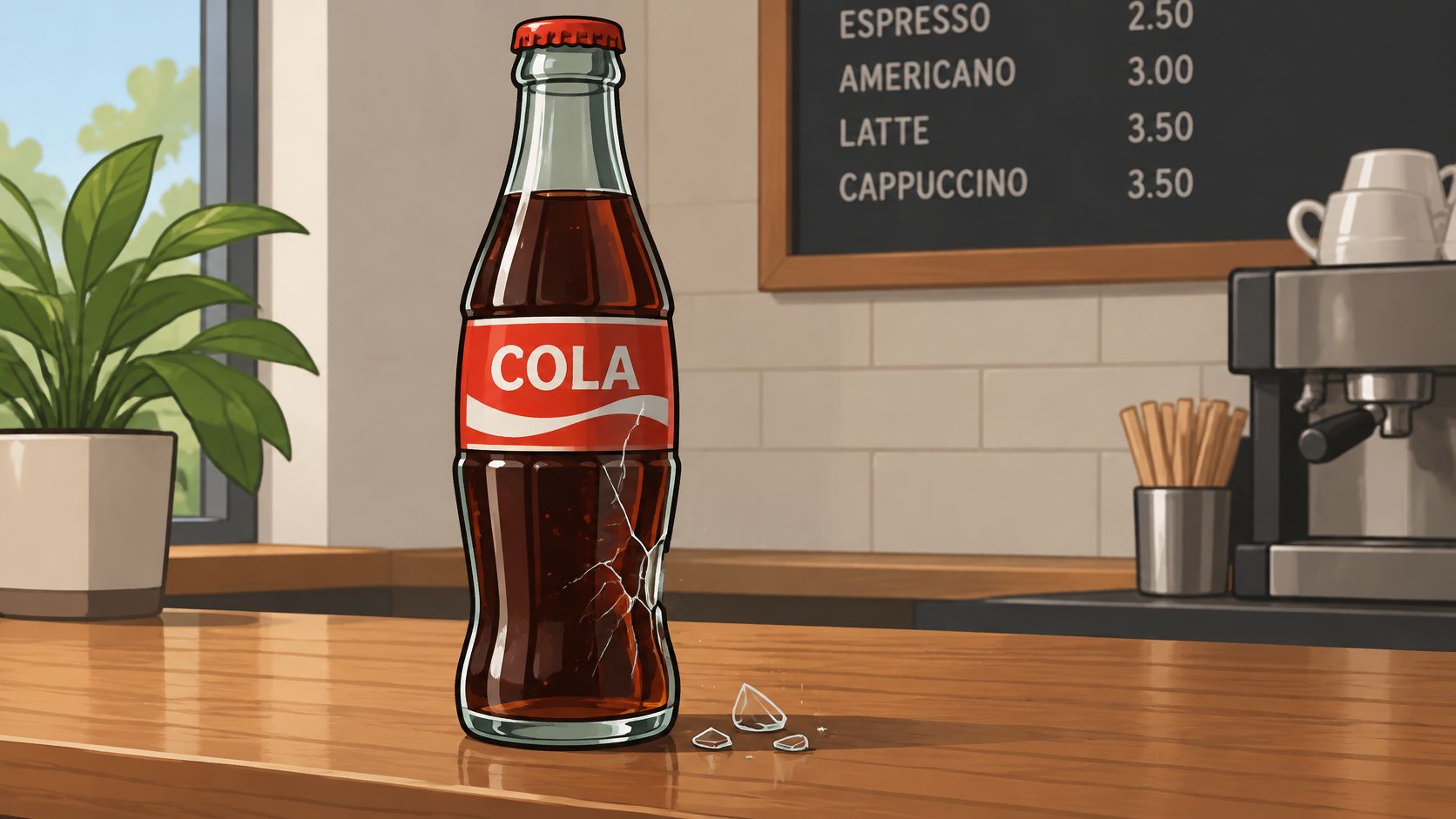
The majority permitted reliance on res ipsa loquitur. Traynor's concurrence advanced a broader strict-liability rationale, but counsel shouldn't collapse the concurrence and the majority's reasoning into the same holding.
Reconstruct control after delivery
The important proof decision was to establish a handling history that supported an inference of negligence attributable to the bottler. Counsel needed more than testimony that the bottle unexpectedly broke.
In a sealed-container claim, interview delivery personnel, stockroom staff, and the injured user separately. Record storage conditions, movement, temperature exposure, visible damage, and any opportunity for impact or mishandling.
An unexplained failure isn't automatically an explainable inference of negligence. Establish why the competing explanations are less consistent with the evidence.
For a restaurant employee injured by a bursting container, preserve fragments, packaging, lot identifiers, and photographs of the storage area. Ask witnesses about ordinary handling as well as this particular incident; a general statement that everyone was careful leaves obvious factual questions unanswered.
The medical chronology should describe wound location, foreign-body findings, repair procedures, sensory deficits, and functional recovery. Those details can test whether the injury pattern matches the reported event.
In the demand, distinguish observed facts from the inference counsel asks the recipient to draw. At trial, prepare witnesses to describe their own handling without speculating about what happened at the bottling plant.
4. Greenman v. Yuba Power Products and Strict Products Liability
A strict-liability theory changes the legal inquiry, but it doesn't eliminate the need to prove a defect. In Greenman, a combination power tool ejected a piece of wood and injured its user.
The modern machinery file requires the same attention to operation and configuration.

The decision established strict tort liability for a manufacturer when a defective product caused injury during its intended use. Its evidentiary lesson is to identify the defective condition and its causal role, rather than treating the occurrence of an accident as sufficient proof.
Document the operating configuration
The critical proof was the connection between the tool's defective condition and the ejection mechanism. A current power-tool case should preserve settings, attachments, guards, fasteners, work material, instructions, and maintenance history.
Say a workpiece ejects from a bench-mounted machine. Before anyone adjusts the machine, photograph its configuration and obtain the operator's account of setup, feed direction, and preceding vibration or movement.
- Engineering evidence: Identify the alleged defect and evaluate alternative explanations, including setup error and modification.
- Use evidence: Preserve instructions and warnings, then compare them with what the operator did.
- Medical evidence: Connect impact location and force direction to diagnoses, procedures, and residual limitations.
Don't request a safer-alternative-design opinion as a substitute for identifying the actual failure. Whether that analysis is legally required depends on the claim and jurisdiction; technically, it still needs a defined hazard and a workable comparison.
The demand should explain the mechanism in language a claims professional can follow without losing the engineering detail. For trial, use demonstratives that accurately represent the preserved configuration, and disclose where an illustration simplifies or reconstructs it.
5. Liebeck v. McDonald's Restaurants and Burn-Injury Proof
The shorthand description of Liebeck obscures the useful litigation lesson. The case involved severe coffee burns, medical treatment, and evidence concerning the defendant's knowledge of the burn risk, not merely a spilled beverage.
The proof decision was to document injury severity and risk knowledge separately, then connect them. Photographs and treatment records established the physical consequences; operational evidence addressed the product's condition and the defendant's decisions.
Prepare separate injury and knowledge records
For a current hot-beverage claim, preserve the container, lid, purchase information, clothing, witness accounts, and any available footage. Investigate the handling sequence without assuming either that a spill establishes a defect or that the consumer's involvement defeats liability.
The medical chronology should follow wound assessment, debridement, grafting where applicable, infection management, rehabilitation, and scar development. Distinguish contemporaneous findings from later recollections, particularly when photographs weren't taken immediately.
Demand strategy: Answer the predictable minimizing narrative with authenticated medical facts, not indignation.
A restaurant burn demand should identify the claimed product hazard and explain why the injury evidence is consistent with that mechanism. Evidence of prior incidents requires careful comparison: similar product conditions and handling circumstances matter more than an undifferentiated complaint total.
Consider a claimant who returns to work but cannot tolerate heat or prolonged standing. Document modified duties, missed shifts, scar sensitivity, and treating-provider restrictions rather than asserting that returning to work ended the loss.
For trial, keep compensatory proof distinct from any punitive-damages theory. A graphic photograph may demonstrate injury, but it doesn't independently establish the defendant's knowledge or the governing standard for punitive relief.
6. Grimshaw v. Ford Motor Co. and Corporate Safety Evidence
Internal engineering records can change a product case, but only if counsel connects them to the product, hazard, and decision-makers at issue. Grimshaw concerned catastrophic burn injuries following a rear-impact collision and fuel-system failure in a Ford Pinto.
The central evidence-building decision was to pursue corporate knowledge of the design hazard, not stop at proving that a post-collision fire occurred. That distinction matters whenever counsel seeks punitive damages alongside compensation for physical injury.
Tie the document to the decision
Request design revisions, crash testing, engineering evaluations, proposed remedies, and communications concerning the relevant failure mode. Establish who received each document, what authority that person held, and whether the information preceded the challenged decision.
A dramatic internal document isn't self-proving. Authenticate it, establish its context, and test whether it addresses the actual vehicle configuration and accident mechanism.
- Reconstruction: Distinguish collision forces from the mechanism that permitted fuel release and ignition.
- Corporate evidence: Identify knowledge, available responses, and the decisions relevant to the governing punitive standard.
- Damages evidence: Connect each burn procedure, rehabilitation phase, and lasting impairment to the fire-related injuries.
Say the defense argues that the collision alone would have caused the claimant's disability. The reconstruction and medical experts must address that position directly, including which injuries arose from impact and which resulted from fire.
Counsel evaluating punitive damages in California should build a distinct evidentiary record rather than treating severe injury as a substitute for the required misconduct.
In the demand, separate liability, compensatory damages, and punitive exposure. For trial, organize corporate documents by decision and witness, not merely by production number.
7. Summers v. Tice and Uncertain Defendant Identification
Sometimes counsel can establish how an injury occurred but cannot identify which negligent defendant supplied the harmful object. Summers involved hunters firing in the plaintiff's direction and uncertainty over whose shot caused the injury.
The court shifted the causation burden in the circumstances presented. The practical lesson is narrow: establish each defendant's negligent participation before asking the court to address uncertainty over causal identity.
Don't confuse missing identity with missing proof
The key proof was that the defendants had engaged in the relevant negligent conduct, while the plaintiff couldn't identify the source of the injuring shot. Alternative liability isn't a general cure for incomplete investigation or speculation about possible defendants.
For a modern multi-actor incident, prepare a participant map showing location, conduct, timing, equipment, and possible causal contribution. Preserve physical evidence capable of differentiating sources even if initial inspection seems inconclusive.
Uncertainty about which proven negligent actor caused an injury differs from uncertainty about whether any identified actor acted negligently.
Say debris from adjacent work areas injures a pedestrian. Investigate which contractors were operating, what materials they handled, and whether physical characteristics identify the source before proposing any burden-shifting theory.
The medical expert should address injury mechanism and whether the findings distinguish possible sources. Don't ask a clinician to identify a responsible contractor from a diagnosis alone.
In the demand, state what is established, what remains uncertain, and which jurisdiction-specific doctrine counsel contends applies. For trial preparation, maintain defendant-specific exhibit and witness lists even when pursuing a shared causation theory; collective descriptions can conceal a missing element against an individual party.
8. In re 3M Combat Arms Earplugs Products Liability Litigation and Individual Proof at Scale
A shared product allegation doesn't create a shared medical history. The Combat Arms earplug litigation illustrates why mass-tort teams must distinguish common defect evidence from claimant-specific exposure, causation, and damages.
The litigation involved allegations of hearing loss and tinnitus associated with military use of the earplugs. Counsel shouldn't confuse an earlier government resolution with the later resolution of individual injury claims or describe a settlement framework as proof that every claimant qualifies.
Build an auditable exposure-to-injury record
The controlling operational proof decision is to link the individual claimant's product use and exposure history to reliable hearing evidence. A diagnosis without documented product use leaves a different gap from documented use without evidence of injury.
Capture service assignments, relevant noise exposures, hearing-protection history, audiograms, symptom onset, and alternative occupational or recreational exposures. Preserve the original audiology records rather than relying exclusively on extracted summaries.
- Exposure verification: Identify the basis for claimed use, including records and the claimant's account.
- Clinical chronology: Track test results, tinnitus reports, referrals, treatment, and functional effects.
- Quality control: Flag inconsistent dates, missing baseline testing, and unsupported diagnostic labels for attorney review.
Say a claimant reports tinnitus but has an incomplete testing history. Don't manufacture a neat onset date from the earliest available complaint; distinguish the reported onset from the first documented report and investigate the missing period.
When assessing mass-tort settlement amounts, separate program eligibility, evidentiary requirements, and individual valuation. For a demand or submission, verify the governing requirements against the claimant's actual record.
For deposition preparation, test whether the client can explain product use and symptom development consistently without converting uncertainty into unwarranted precision.
How the Eight Landmark Cases Compare by Incident, Injury, and Legal Theory
| Item | Accident Type | Injury | Primary Legal Theory |
|---|---|---|---|
| Palsgraf v. Long Island Railroad Co. (1928) | Train platform incident involving a falling scale | Physical injuries from the falling scale | Negligence; duty limited to foreseeable risks |
| MacPherson v. Buick Motor Co. (1916) | Vehicle component failure and crash | Serious injury from a defective wheel | Manufacturer negligence; no privity required |
| Escola v. Coca-Cola Bottling Co. (1944) | Bottle explosion in a commercial setting | Hand and wrist lacerations | Res ipsa loquitur; strict product liability |
| Greenman v. Yuba Power Products (1963) | Power tool malfunction during ordinary use | Serious head injuries | Strict product liability |
| Liebeck v. McDonald's Restaurants (1994) | Hot beverage spill at a drive-through restaurant | Third-degree burns requiring skin grafts | Negligence and failure to warn; punitive damages |
| Grimshaw v. Ford Motor Co. (1981) | Rear-impact collision followed by a fuel fire | Severe burns and disfigurement; wrongful death | Strict design-defect liability; punitive damages |
| Summers v. Tice (1948) | Hunting accident involving multiple shooters | Eye injury from a shotgun pellet | Alternative liability; burden-shifting on causation |
| In re 3M Combat Arms Earplugs Products Liability Litigation (2018 Settlement) | Defective hearing protection used during service | Permanent hearing loss and tinnitus | Product liability; design and warning defects |
Turning Landmark Case Lessons Into Stronger Demands
Across these personal injury case examples, counsel had to establish more than a diagnosis and an accusation. The recurring tasks were to document causation, preserve physical evidence, reconstruct custody or control, and connect the injury mechanism to a defensible account of damages.
The practical response is to build a proof map before drafting advocacy. For every disputed proposition, identify the supporting record, the witness who can explain it, the competing explanation, and the work still needed.
Draft from propositions and exhibits
A useful demand lets the recipient verify its central assertions without reconstructing the entire file. Lead with the accident mechanism and liability evidence, explain the clinical course, then support claimed losses with records that establish them.
Keep the chronology clinically precise. A patient's report, a radiologist's finding, and a treating physician's causation opinion have different evidentiary roles; summarizing them all as confirmed accident-related injury invites avoidable challenges.
- Address the baseline. Explain prior symptoms, relevant conditions, and pre-incident function without concealing unfavorable records.
- Support future losses. Connect proposed care, assistance, and earning-capacity claims to identified limitations and appropriate opinions.
- Resolve contradictions. Investigate inconsistent histories, billing discrepancies, and unexplained gaps before sending the demand.
A UK pedestrian claim described by Moore Barlow illustrates that integrated approach: liability evidence and medical-causation analysis supported coordinated consideration of rehabilitation, care, accommodation, and other losses. The useful lesson is the connection between expert disciplines, not the assumption that a comparable injury guarantees a comparable result.
Separate provable loss from recoverable value
A strong file can still face disputed fault, coverage limitations, collectability problems, and litigation expense. Evaluate those constraints separately from the medical merits, and explain the trade-offs to the client before treating a demand figure as an expected recovery.
Ares helps personal injury teams organize that document-heavy work through demand letters built from the customer's medical evidence and case records, with causation narratives, special damages, and liability arguments cited to source. Attorneys remain responsible for reviewing and verifying every output before using it in legal proceedings or client communications.
The final review should therefore be adversarial, not cosmetic. Ask whether opposing counsel can identify a missing causal link, an unsupported future-care assumption, or a source that says less than the draft claims. Repair those weaknesses before the demand becomes the position the client must defend.
Ares offers medical-record review and demand-letter drafting built around your case evidence, including cited treatment narratives, causation arguments, and special damages. Visit Ares to explore how your team can turn a document-heavy injury file into an organized, verifiable demand for attorney review.